
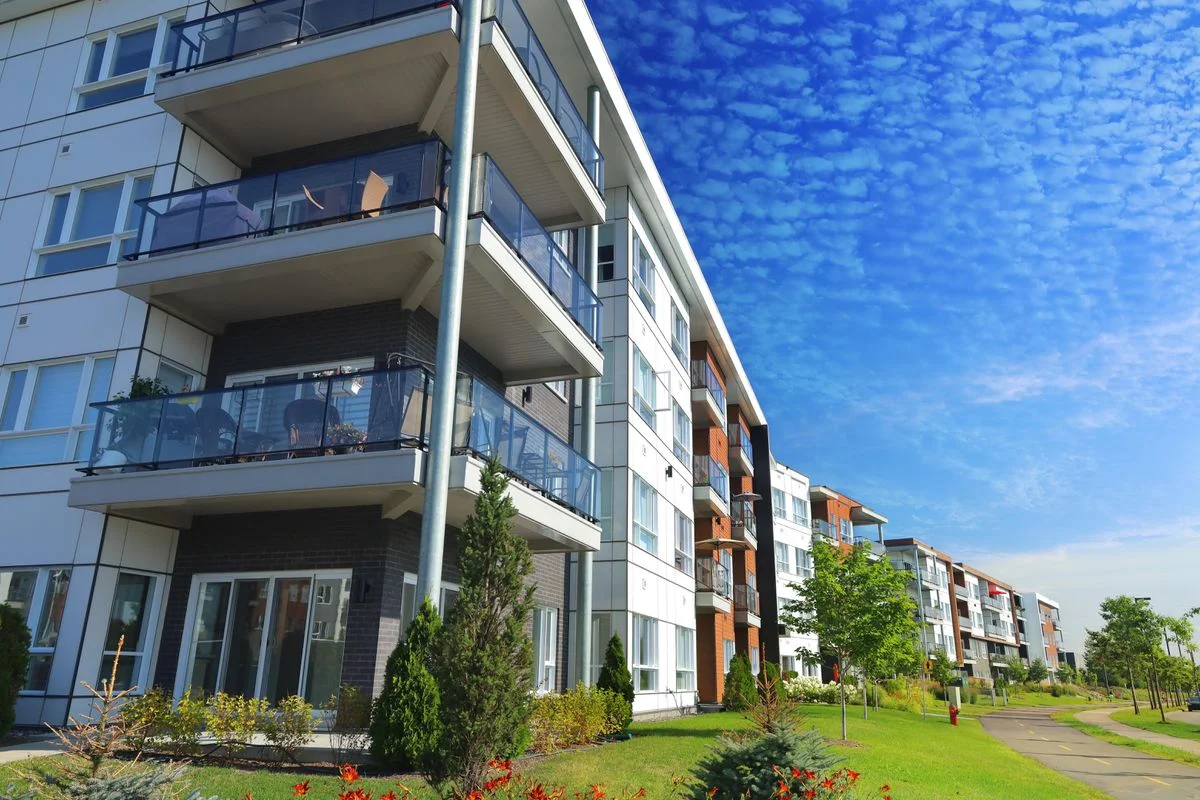
Deferred maintenance happens in almost every type of property. Homes. Offices. Apartment buildings. It usually starts small. A repair is delayed. A minor issue is ignored. It feels manageable at the time.
The problem is time.
Small issues do not stay small. They slowly get worse. Costs increase. Safety risks appear. The condition of the property starts to decline. In many cases, property value also drops.
This is why deferred maintenance matters. When owners understand it early, they can avoid bigger repairs later. They can plan better. They can protect their property.
This guide explains what deferred maintenance means. It shows how it affects real estate. It also explains what type of work is usually delayed and how costs are reviewed.
Deferred Maintenance Meaning
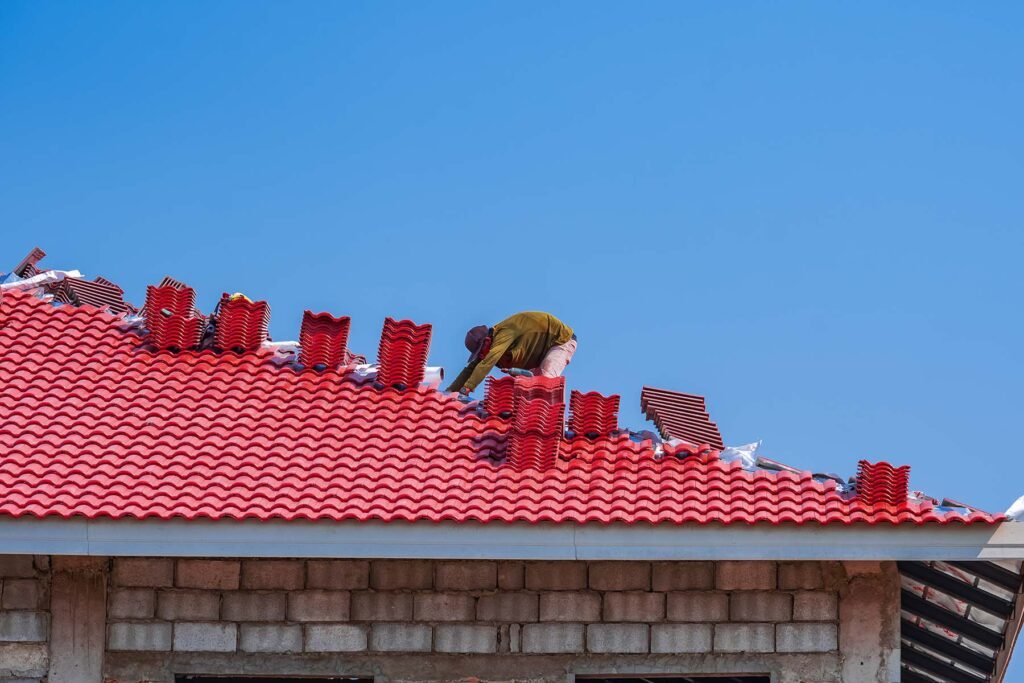
Deferred maintenance means work that should have been done but was not. Repairs are postponed instead of being completed on time.
This often happens because of budget limits. Sometimes other tasks feel more urgent. Sometimes the problem does not look serious.
Over time, this delay causes damage. Systems wear out faster. Materials weaken. Small defects spread. What could have been a simple fix turns into a costly repair.
Deferred Maintenance in Real Estate
In real estate, deferred maintenance affects how a property performs over time. It also impacts long-term value. This issue is common in apartments, commercial buildings, and older properties. These spaces experience constant use.
Deferred maintenance in real estate often includes the following issues.
- Aging electrical or plumbing systems
- Roofing issues that were temporarily patched
- HVAC systems running beyond recommended service life
- Worn flooring, damaged doors, or outdated fixtures
- Exterior issues such as wood rot, peeling paint, or drainage problems
When these issues build up, tenants notice. Satisfaction drops. Leasing becomes harder. Safety standards may no longer be met.
What Is Deferred Maintenance in Commercial Real Estate?
In commercial real estate, deferred maintenance means repairs that were delayed and now affect daily operations. These issues can also impact safety and legal compliance.
This can include:
- Electrical panels needing upgrades
- Plumbing lines showing signs of failure
- HVAC systems operating inefficiently
- Roofing systems nearing failure
- Fire safety and life-safety components not fully updated
Deferred maintenance in commercial properties carries higher risk. More people use these buildings every day. Regulations are stricter. Small delays can lead to serious consequences.
What Is Considered Deferred Maintenance?
Deferred maintenance is any repair or replacement that should have been completed but was delayed.
Common examples include:
- Leaking roofs not fully repaired
- Failing plumbing lines left in place
- Outdated electrical systems
- HVAC units running past service life
- Deteriorating exterior surfaces
- Repeated temporary fixes instead of permanent solutions
If a repair is necessary to preserve function, safety, or longevity and it is delayed, it is considered deferred maintenance.
What Is Considered Deferred Maintenance on a House?
In residential properties, deferred maintenance often looks smaller but can be just as damaging over time.
Typical examples include:
- Roof leaks not addressed
- Foundation cracks ignored
- Aging water heaters or piping
- Faulty electrical outlets
- Exterior siding or trim decay
- Poor drainage or moisture issues
Whether in a house or a large building, deferred maintenance follows the same pattern: delay increases cost.

Deferred Maintenance Cost: What Owners Should Know
Deferred maintenance costs are not fixed. They change based on several factors.
- The type of system involved
- How long the issue has been delayed
- Whether secondary damage has occurred
A small repair can turn into a full replacement. Damage spreads when problems are left unchecked. A minor roof leak is a good example. Water moves into insulation. Mold can form. Interior finishes get damaged. Costs rise fast.
Addressing deferred maintenance early almost always costs less than waiting.
Deferred Maintenance in Commercial Buildings: Florida Cost Factors
In Florida, deferred maintenance costs are often higher. Climate plays a major role. Heat, humidity, storms, and coastal conditions put extra stress on buildings.
Common cost drivers include:
- HVAC strain from high temperatures
- Moisture-related deterioration
- Roofing damage from storms
- Corrosion in electrical and plumbing systems
For commercial buildings in Florida, planning ahead matters. Routine maintenance helps control costs. It also reduces emergency repairs that interrupt daily operations.
What Is the 1% Rule for Maintenance?
The 1% rule is a general guideline suggesting that property owners should budget approximately 1% of a property’s value each year for maintenance.
For example, a $5 million property may require around $50,000 annually for maintenance and minor repairs. While this rule is not exact, it helps owners plan ahead and reduce deferred maintenance over time.
Properties with aging systems or heavy usage may require more than 1%.
Why Deferred Maintenance Should Be Addressed Early
Ignoring deferred maintenance creates compounding problems:
- Higher repair costs
- Increased downtime
- Safety and compliance risks
- Reduced property value
- Negative tenant experience
Addressing issues early allows owners and managers to stay in control, plan budgets, and maintain steady operations.
Managing Deferred Maintenance the Right Way
A structured approach is the most effective way to manage deferred maintenance. This includes:
- Identifying and prioritizing issues
- Creating a phased repair plan
- Budgeting realistically
- Using qualified contractors with system-level experience
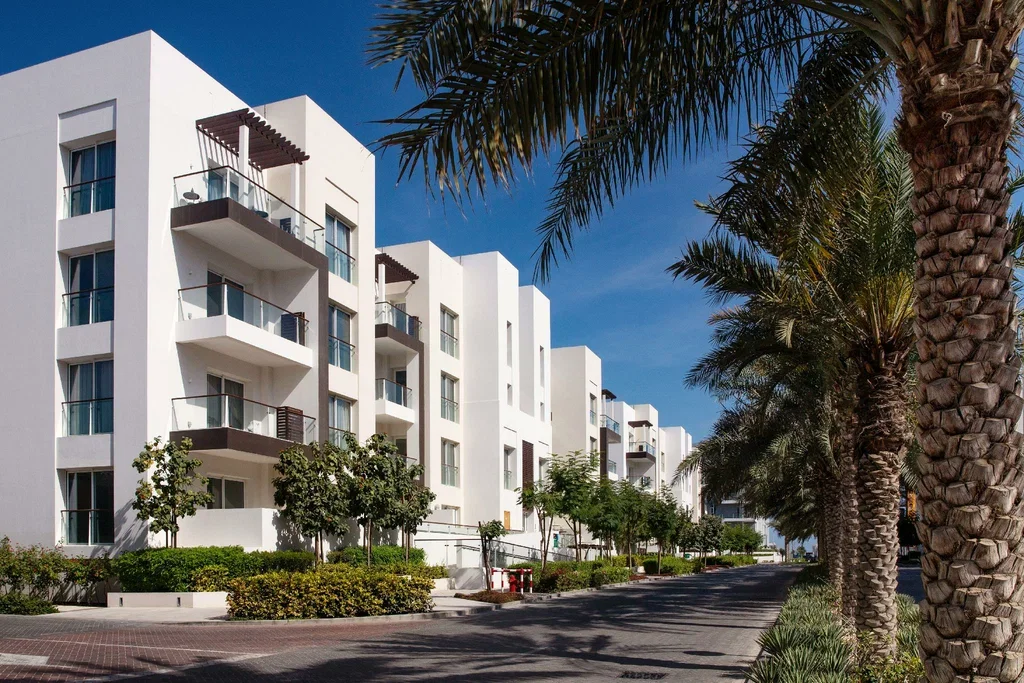
For apartment and commercial properties, this approach helps prevent reactive decision-making and protects long-term value.
Final Thoughts
Deferred maintenance is more than a repair issue. It affects finances. It affects operations. It affects long term property value.
When owners understand what deferred maintenance means, they can act sooner. Small problems are easier to manage. Delays create larger disruptions.
Planning ahead makes a difference. Smart budgeting helps. Early action protects the property and keeps it performing well.