
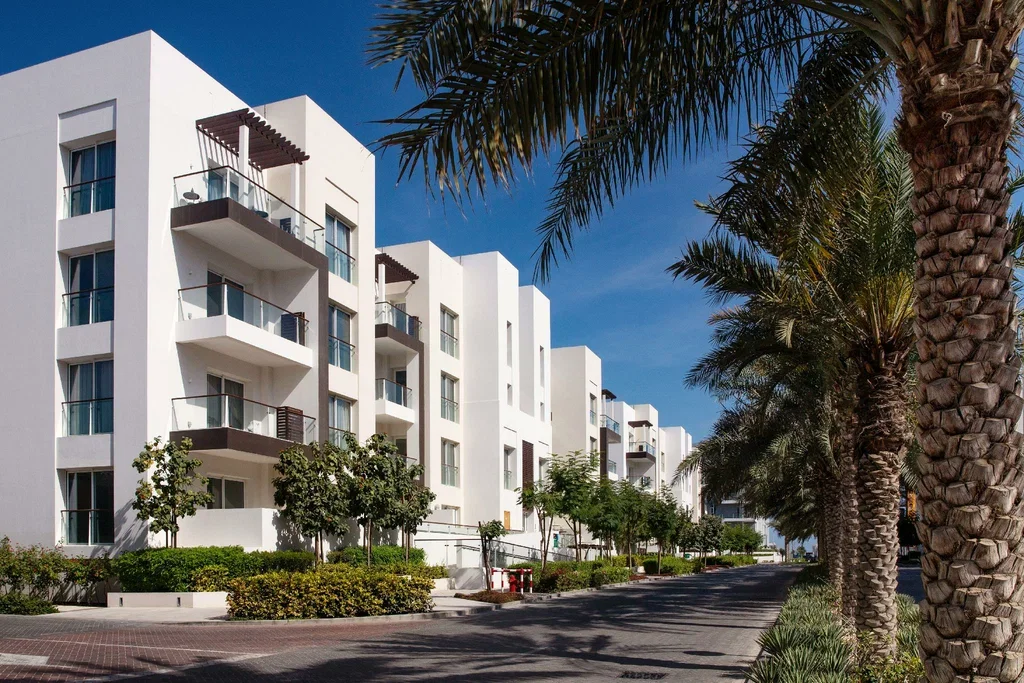
Commercial building construction is simplified by putting up walls or finishing space and creating buildings that support how people work, operate, and move through them every day.
Unlike residential projects, commercial construction deals with larger systems, stricter codes, and heavier coordination. Offices, retail spaces, medical buildings, warehouses, and mixed-use properties all fall under this category, but each comes with its own demands. Power requirements are higher. Mechanical systems are more complex. Safety, accessibility, and compliance play a much bigger role.
What makes commercial building construction different is the level of planning involved. Layouts must support business operations. Schedules must align with inspections, permits, and tenant needs. Decisions made early in the process affect cost, timelines, and long-term performance far more than most people expect.
At its core, commercial construction is about building spaces that function reliably, meet regulations, and hold up under constant use — not just when the project is finished, but for years after.
What Does Commercial Construction Mean on a Real Project?
On paper, commercial construction sounds straightforward. In reality, it rarely is.
Every job comes with moving parts. Inspections don’t always line up. Materials don’t arrive when planned. Existing conditions show up late. Tenants, staff, or neighboring businesses still need to operate while work is happening.
Commercial construction means managing all of that at the same time.
It’s coordinating trades that depend on each other. It’s sequencing work so one delay doesn’t stop everything behind it. It’s knowing when a small decision today will save weeks later — and when it won’t.
That’s why experience matters so much in commercial projects. The work isn’t just building. It’s anticipating problems, adjusting quickly, and keeping progress steady even when conditions change.
That’s what commercial construction really means once the job starts.
The Difference Between Commercial and Residential Construction
Commercial and residential construction might look similar from the outside, but the work behind them is very different.
Residential projects are usually contained. One owner. One living space. Fewer systems to coordinate. Commercial construction operates on a wider scale. More people are involved. More rules to follow. More pressure to get things right the first time.
Commercial buildings carry higher loads. Electrical systems are stronger. HVAC systems are larger and more complex. Fire safety, accessibility, and code compliance are not optional — they shape how the building is designed and built. Inspections happen more often. Documentation matters more.
There’s also the operational side. Many commercial projects happen while businesses are still running. That means noise control, phasing, after-hours work, and tight coordination. A delay doesn’t just affect a schedule. It affects staff, customers, and revenue.
That’s the real difference. Residential construction focuses on comfort and finish. Commercial construction focuses on function, durability, and keeping operations moving while the work gets done.
The Steps in Commercial Construction, As They Actually Happen
Commercial construction doesn’t move in clean, numbered steps. On a real project, phases overlap, decisions stack on each other, and timing matters as much as the work itself.
It usually starts with planning and due diligence. Site walks, drawings, budgets, and early coordination happen here. This is where expectations are set and where mistakes can either be avoided or locked in.
Permits and approvals follow, and this phase often takes longer than people expect. Inspections, revisions, and agency reviews can affect schedules before any work even begins on site.
Once construction starts, sequencing becomes critical. Demolition, rough trades, inspections, and finishes all depend on each other. One missed handoff can slow everything behind it. Good contractors focus on flow, not just speed.
As work wraps up, final inspections, punch lists, and closeouts take over. This stage is about details. Small items matter because they’re often tied to occupancy, operations, and final sign-off.
That’s the real process. Commercial construction isn’t a straight line. It’s controlled movement, constant coordination, and knowing where problems usually show up before they do.
Commercial Construction Cost per Square Foot: What It Really Tells You
Cost per square foot is one of the first numbers people look for in commercial construction. It’s helpful, but only when it’s used the right way.
In practice, square-foot pricing gives a rough sense of scale, not a final answer. Two buildings of the same size can land at very different costs depending on structure, systems, finishes, and how the space needs to function. A warehouse build, an office build-out, and a medical space may share square footage, but the work behind the walls is completely different.
Commercial construction cost per square foot also shifts based on how the project is delivered. Phased construction, tight timelines, specialty trades, and local code requirements all influence pricing. Those factors don’t show up in a simple average.
That’s why experienced owners treat square-foot costs as an early planning reference. The real budget comes from understanding scope, constraints, and execution — not from chasing a single number.
Commercial Construction Companies in Florida: What Actually Sets Them Apart
Florida has no shortage of commercial construction companies. On paper, many look similar. Licenses, services, portfolios, and promises often overlap. The real differences usually show up once a project is underway.
Experience in Florida matters more than many people realize. Weather, permitting processes, inspections, and local codes can slow a project fast if a contractor isn’t familiar with how work really moves here. Companies that regularly build and renovate in Florida tend to plan differently, especially when it comes to scheduling and material coordination.
Another separator is how a company manages people, not just work. Communication between trades, inspectors, and ownership determines whether progress stays steady or turns reactive. Strong commercial contractors don’t rely on luck. They rely on systems, supervision, and clear expectations on site.
When owners look beyond logos and marketing, the right commercial construction company is usually the one that stays organized, responds quickly, and keeps projects moving even when conditions change.
Commercial Construction Contractors Near You: How to Choose the Right One
Searching for commercial construction contractors near you is easy. Choosing the right one is not.
The first thing that matters is relevant experience. A contractor who mainly works residential jobs may be licensed, but that doesn’t mean they understand commercial schedules, inspections, or operational constraints. Ask where their recent work has been done and what type of buildings they handle most.
Local knowledge also plays a role. Contractors who work regularly in your area usually understand local permitting offices, inspection timing, and common issues that slow projects down. That familiarity helps avoid delays that only show up after construction starts.
Finally, look at how they communicate. Clear answers, realistic timelines, and honest conversations early on are better indicators than low bids or big promises. In commercial construction, the contractor who manages expectations well is often the one who delivers the smoothest project.
The Role of a Commercial Construction Superintendent
On a commercial construction site, the superintendent is the one making sure the job actually moves forward.
While managers and owners may plan the project on paper, the superintendent is on the ground every day. They coordinate trades, check work as it’s being done, and solve problems before they grow into delays. When materials show up late, inspections don’t line up, or scope conflicts appear, the superintendent is the first person dealing with it.
A strong commercial construction superintendent keeps sequencing tight. One trade finishes so the next can start without downtime. Safety stays enforced. Quality stays consistent. Small issues are addressed early instead of being pushed to the end.
Most successful commercial projects share one thing in common: steady, experienced supervision on site. Without it, even good plans can fall apart. With it, projects stay controlled, organized, and far more predictable.
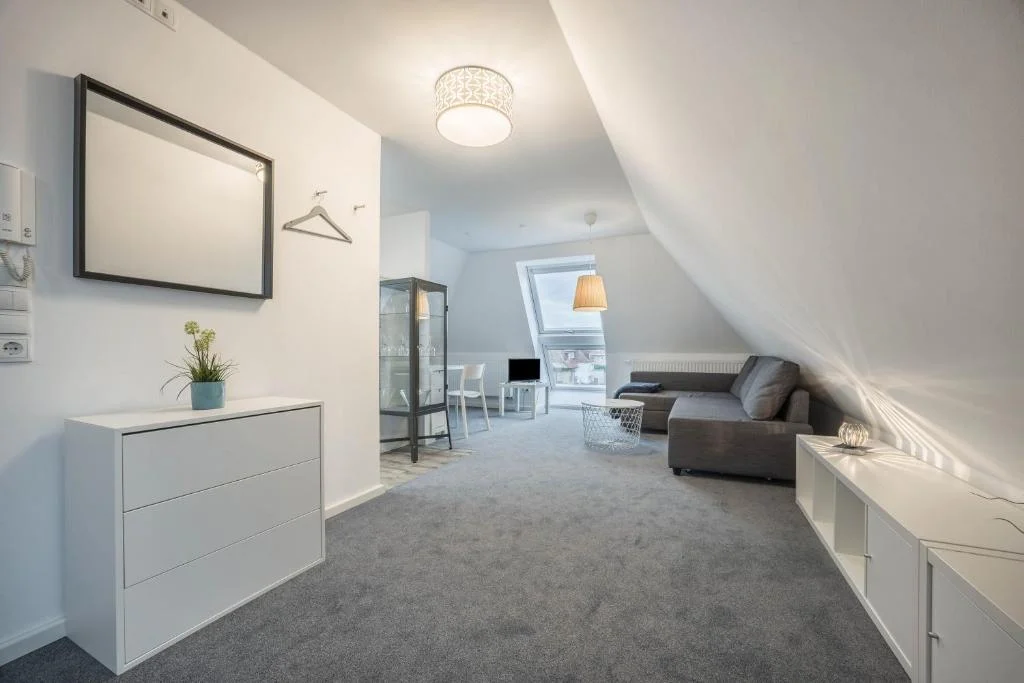
How to Choose a Commercial Construction Contractor for Office Buildings
Office construction brings a different kind of pressure. People need quiet spaces. Schedules matter. Businesses often need to stay operational while work is happening.
That’s why choosing a contractor for office buildings isn’t about who builds the fastest or bids the lowest. It’s about who understands how offices actually function day to day.
Start by looking at experience with occupied spaces. Office renovations require careful phasing, noise control, and coordination around work hours. A contractor who plans for that upfront will save time and frustration later.
Pay attention to how problems are discussed early on. Good contractors talk openly about risks, constraints, and limitations. They don’t oversell. Clear conversations at the beginning usually lead to smoother execution once work starts.
In office construction, the right contractor is the one who respects the workspace, communicates consistently, and keeps disruptions to a minimum while progress continues.
Understanding Commercial Construction Before You Build
Commercial construction becomes much clearer once you step away from simple definitions and averages. Size matters, but scope matters more. Cost per square foot helps early, but real budgets come from understanding systems, conditions, and how the work will actually unfold on site.
Whether you are planning a new build, an office renovation, or a phased commercial project, the strongest results come from clear planning, experienced supervision, and realistic expectations. Projects stay smoother when contractors understand the environment they are building in and owners understand what drives cost, timing, and complexity.
At the end of the day, commercial construction isn’t just about putting a building together. It’s about building something that works, holds up, and supports the people using it long after construction is finished.